Before World War II, Świętoszów was known as Neuhammer. In the Middle Ages, it belonged to the Duchy of Żagań. In 1549, it came under the rule of the Austrian Habsburgs, and in 1740 it was taken over by the Prussian Hohenzollerns.

After World War I, it belonged to the Weimar Republic and the Third Reich. In 1945, it was administratively incorporated into the borders of the Polish state, but in practice it was managed by the Soviet military. The settlement was inaccessible to local residents and secret to everyone—with the exception of the Soviet forces.

Świętoszów has preserved its pre-war character to the present day, with very interesting buildings. It was a settlement with extensive infrastructure and service buildings such as a laundry, restaurant, brewery, railway station and fire station.

The training area in Świętoszów, established in 1898 thanks to the Dohn family, is of great importance to the region. The family set aside a substantial area of forests and agricultural wasteland from its estates for use as a training area. During World War II, it was one of the largest training areas in Germany, with around 70,000 soldiers training there.

In 1945, it came under the control of the 20th Zvenigorod Tank Division, stationed in Świętoszów. In 1992, when the Russian troops left, the training area was incorporated into the Żagań Training Centre for Land Forces. Today, the training area, covering 37,000 hectares, is used by the Polish Armed Forces and other NATO members.
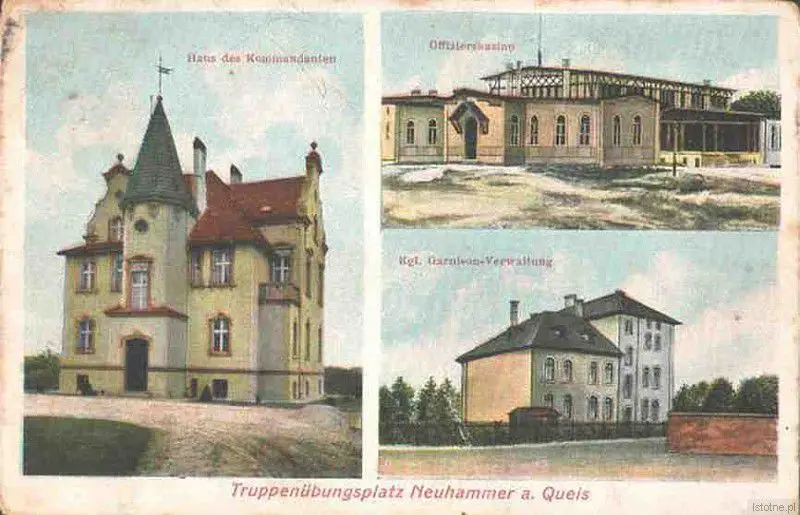
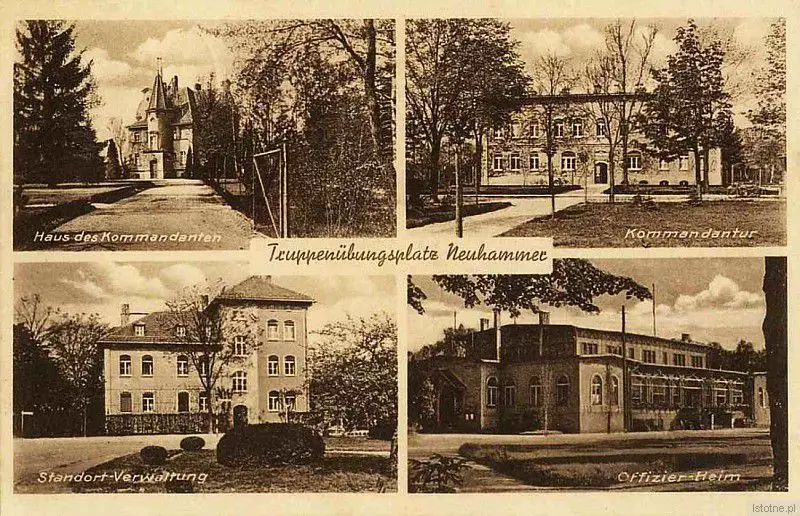
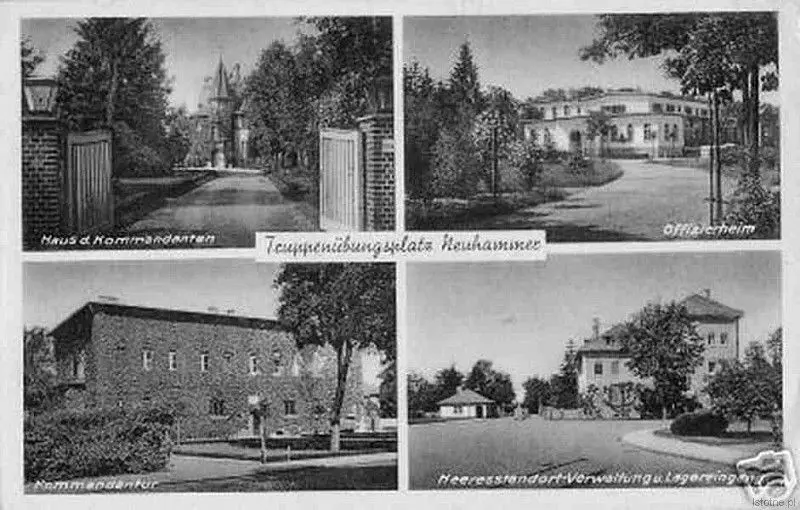
Pocztówka z 1907 roku prezentująca willę komendanta, kasyno oraz budynek administracjiPocztówka z 1907 roku prezentująca willę komendanta, kasyno oraz budynek administracji • Photo author: Wratislaviae Amici, materiał własny
Karta pocztowa z początku XX wieku prezentuje: fragment dawnych koszar, kasyno oficerskie, willę komendanta oraz budynek garnizonowyKarta pocztowa z początku XX wieku prezentuje: fragment dawnych koszar, kasyno oficerskie, willę komendanta oraz budynek garnizonowy • Photo author: Wratislaviae Amici, materiał własny
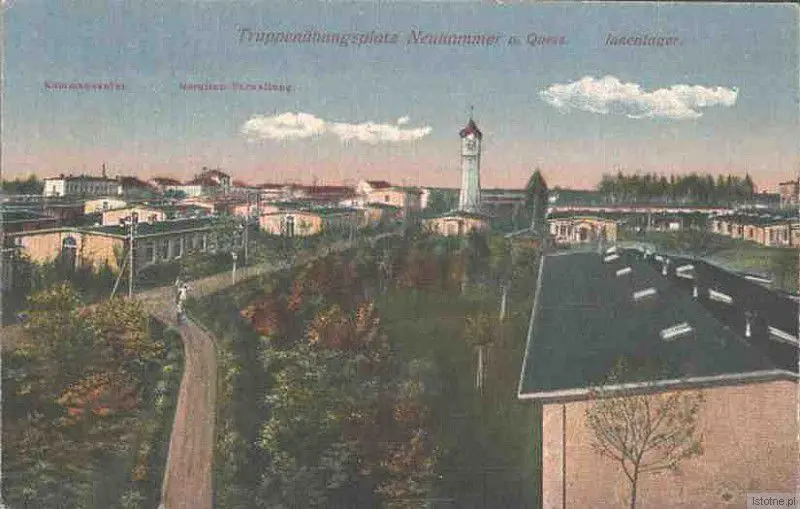
Zabudowania Świętoszowa w 1938 rokuZabudowania Świętoszowa w 1938 roku • Photo author: Wratislaviae Amici, materiał własny
Na zdjęciu widzimy główną bramę koszar. W tle zachowana wieża ciśnieńNa zdjęciu widzimy główną bramę koszar. W tle zachowana wieża ciśnień • Photo author: Wratislaviae Amici, materiał własny
Budynki garnizonowe w Świętoszowie w 1940 rokuBudynki garnizonowe w Świętoszowie w 1940 roku • Photo author: Wratislaviae Amici, materiał własny
Jeńcy w obozie w 1915 rokuJeńcy w obozie w 1915 roku • Photo author: Wratislaviae Amici, materiał własny
Na pocztówce widzimy nieistniejącą wieś (dziś środek poligonu), stację kolejową oraz wieżę ciśnieńNa pocztówce widzimy nieistniejącą wieś (dziś środek poligonu), stację kolejową oraz wieżę ciśnień • Photo author: Wratislaviae Amici, materiał własny
Wieża ciśnień na początku XX wiekuWieża ciśnień na początku XX wieku • Photo author: Wratislaviae Amici, materiał własny
Świętoszów w 1935 roku. Zdjęcie wykonane z pokładu samolotuŚwiętoszów w 1935 roku. Zdjęcie wykonane z pokładu samolotu • Photo author: Wratislaviae Amici, materiał własny
Widokówka prezentuje plac ćwiczeń, ok. 1914 r.Widokówka prezentuje plac ćwiczeń, ok. 1914 r. • Photo author: Wratislaviae Amici, materiał własny
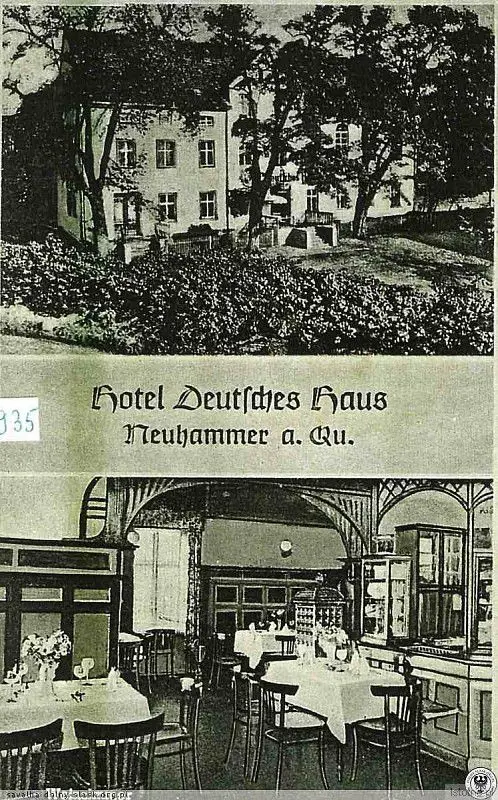
Hotel „Niemiecki Dom” na pocztówce z 1935 r.Hotel „Niemiecki Dom” na pocztówce z 1935 r. • Photo author: Wratislaviae Amici, materiał własny

Sebastian Zielonka – historian and graduate of the University of Wrocław. Specializes in archival studies and conservation documentation. He is interested in the history of the region and the social life of Europeans in the 20th century. In his free time, he travels.

(information: Sebastian Zielonka)