
Hedgehog mushroom. How to identify it
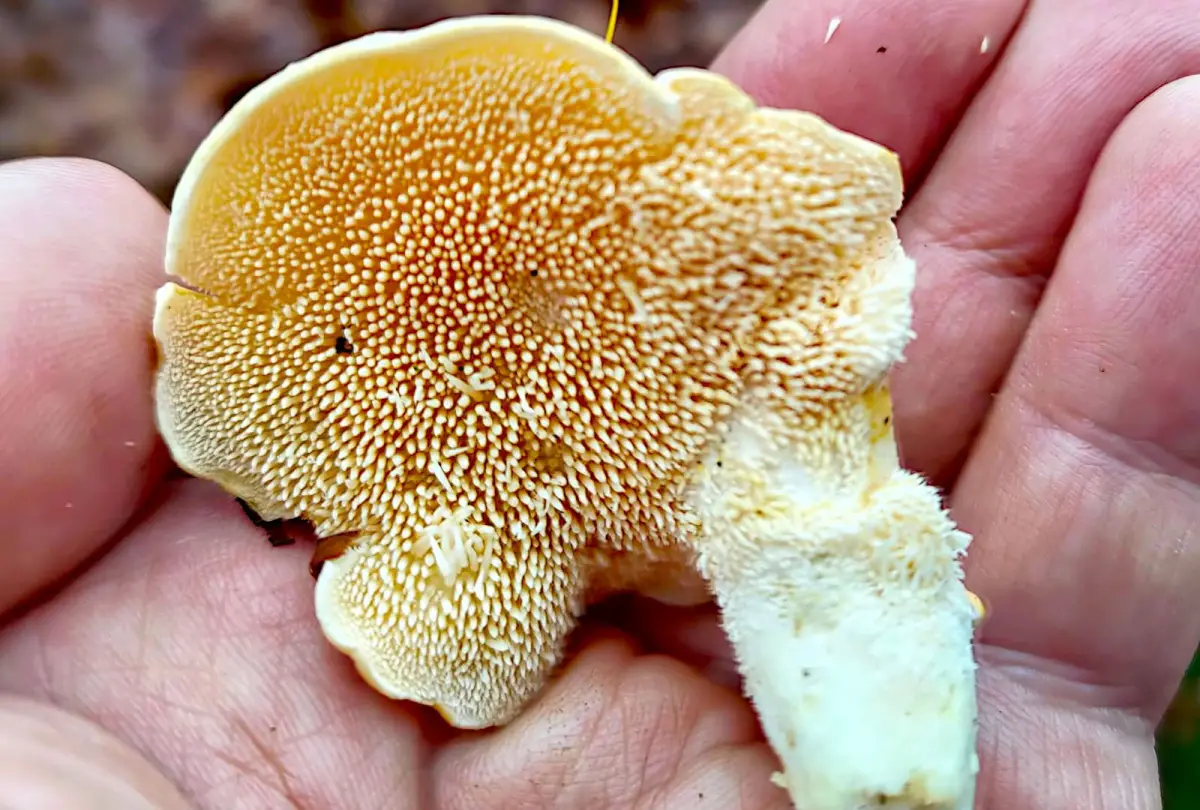
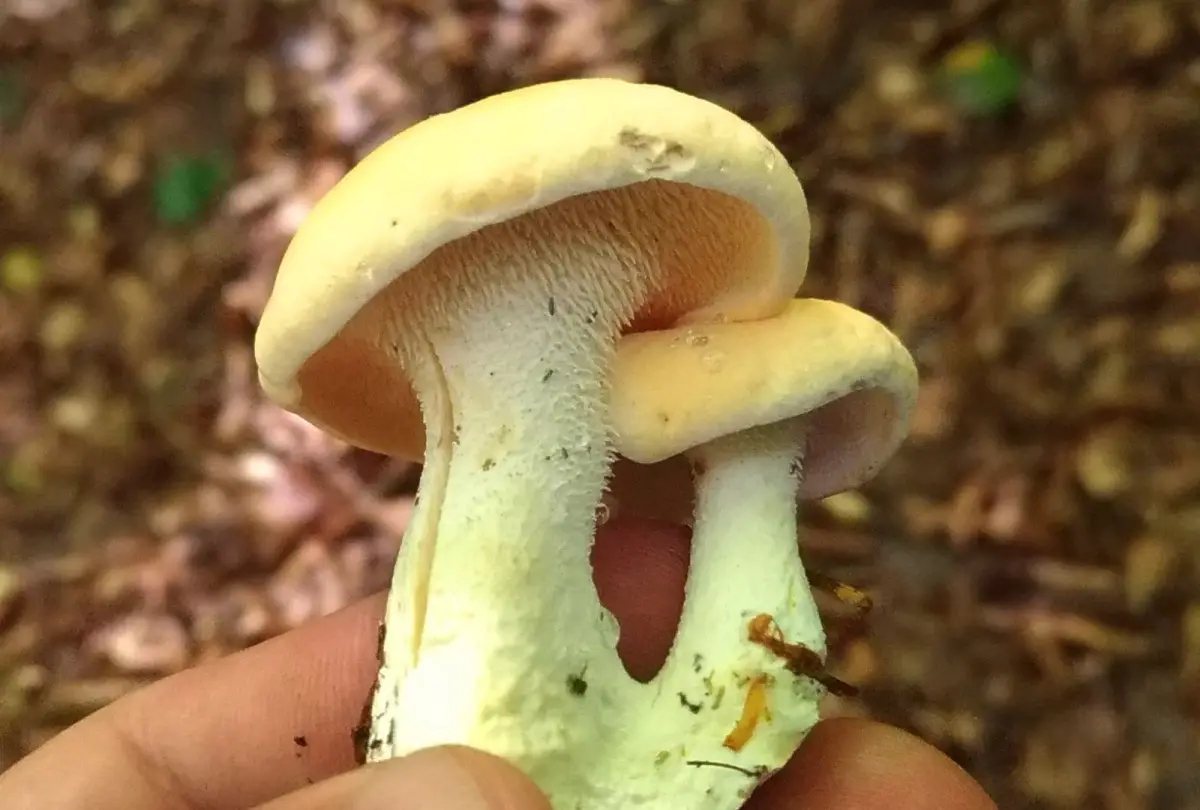
Hedgehog mushroom (Hydnum repandum) usually has a cream, light orange or yellowish cap with an irregular shape. Its diameter can range from a few to a dozen or so centimetres. The flesh is pale, and the mushroom has a delicate, pleasant aroma.
The species’ most distinctive feature is the spines beneath the cap. They are what set it apart from chanterelles, which have gills with a characteristic forked shape.
Hedgehog mushrooms can be found in coniferous, deciduous and mixed forests. They occur, among other places, near beech, pine and spruce trees. They can also be encountered around Bolesławiec—we found this species in a deciduous forest near beeches.
The season for the hedgehog mushroom falls mainly in the second half of summer and in autumn. It most often appears from August to November, although much depends on temperature and humidity.
Why is the hedgehog mushroom a delicacy in France?
The hedgehog mushroom is valued by mushroom foragers and cooks, especially in France, where it is known as pied-de-mouton, meaning “sheep’s foot”. Its popularity is primarily due to its culinary qualities.
The hedgehog mushroom’s flesh is firm and meaty, while its flavour is delicate and slightly nutty. This makes it well suited to dishes in which both texture and the natural aroma of woodland ingredients are important.
In French cuisine, hedgehog mushrooms are used, among other things, to prepare sauces, soups and stews. They can also be fried in butter with garlic and parsley, then served as an accompaniment to meat or other dishes. They are also suitable for mixed dishes made with wild mushrooms.
Before cooking, it is worth carefully cleaning the mushrooms of soil and pieces of forest litter. The spines beneath the cap can be removed, especially when they are older and brittle, although this is not absolutely necessary in the case of young specimens.
Is the hedgehog mushroom healthy?
Like other edible mushrooms, the hedgehog mushroom provides fibre, protein and minerals. It can add variety to an autumn diet, especially for people who value seasonal produce.
For this species, there are also scientific reports concerning biologically active compounds present in mushrooms. This does not mean, however, that eating the hedgehog mushroom has confirmed medicinal or anticancer effects. It should not be treated as a remedy for diseases or used as a replacement for medical treatment.
The hedgehog mushroom is valued above all for its flavour and culinary uses. Its presence in the surrounding forests may be an interesting discovery for mushroom foragers who want to learn about less obvious species.
Important: before eating any mushroom found in the forest, you must be certain of its identification. If in doubt, it is worth seeking help from a mycologist or mushroom identification expert.