
During the City Days, the jubilee 10th South Slavic Culture Festival will be held. In organizational terms, it has been divided into two parts. On Friday, the official events will take place: a lecture by students from the University of Wrocław’s Serbian Studies Club (9:30 a.m., Forum cinema auditorium) and the opening of an exhibition by Bulgarian artist Ventzislava Piriankova entitled “Sacrum in the Sphere of Passion” (Długa Gallery – Forum cinema).
Saturday has been set aside for singing, dancing and eating together. A festival settlement will be created around the stage in Piłsudski Square. From 9:00 a.m., hosts and hostesses with open arms will welcome all neighbours who want to have fun together. The musical groups will arrive in a procession, bonfires will be lit beneath suckling pigs, and pitas, palenta, strudels, paprikash and mamaliga will be brought to the table. Six cooking groups will begin preparing pepper soup. Visitors will be able to cheer them on as they cook and then enjoy a bowl of soup. Two adult groups and four student groups from the Comprehensive and Vocational Schools Complex will compete.
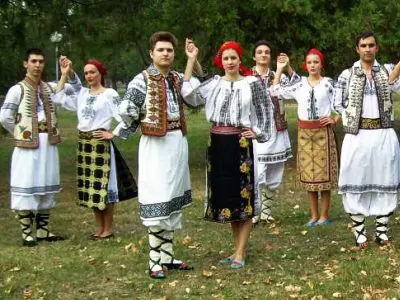
The festival will be enhanced by a performance from the Serbian group Lala, which will present dances from the Vojvodina region and Serbia. The group consists of young people—secondary-school students and university students—who dance as amateurs and with all their heart. This is the organizers’ main premise. The groups are meant to showcase living folklore and do so out of passion and a need for fun. This is also true of the numerous groups from our region that have performed at the festival for ten years. Those present at every edition included “Jutrzenka,” “Niespodzianka” from Tomaszów Bolesławiecki, the Herbut family band from Tomisław, and the “Bolesławiec” Song and Dance Ensemble. A total of 15 groups and three rural women’s associations will perform at this year’s festival.
How the festival began
It was officially established in 2001 to mark the 55th anniversary of the return of Poles from Bosnia (in 1946, 18,000 people came to the Bolesławiec area from the territory of the former Yugoslavia). Unofficially, it arose from the need to gather in one place, to be together, leave one’s home and hear once more how the river carries their song through the surrounding area.
“On Widok and Ceramiczna Streets, people would come out into their courtyards and drink coffee, wine and, sometimes, vodka together,” recalls Elżbieta Tor, the festival’s organizer. “You could hear singing, conversations and laughter. People needed to come together. I think they wanted to show that they were kind, warm-hearted people who could make excellent pita and invite a neighbour to share it. As a child, I would sit by the river with a friend and listen to songs. Her mother had come from Bosnia. Whenever my friend heard a song she did not know, we would walk in the direction from which it came so that we could learn the words and melody better. The river carried the music, and all of Bolesławiec could hear it.”
Ten years ago, three people established the festival, initially called the Balkan Festival: Albin Kulesza, leader of the “Jutrzenka” ensemble; Bolesław Marecki, a well-known Bolesławiec photographer who has since passed away; and Franciszek Bachór, village head of Dobra. The settlers had their own culture and, above all, ensembles that played at weddings and celebrations. The festival was created with this culture in mind, to present it to a wider audience.
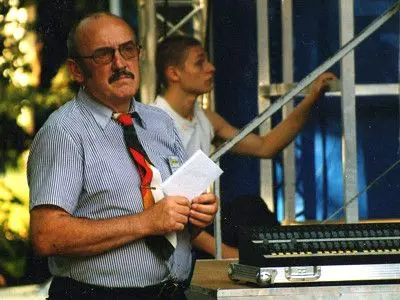
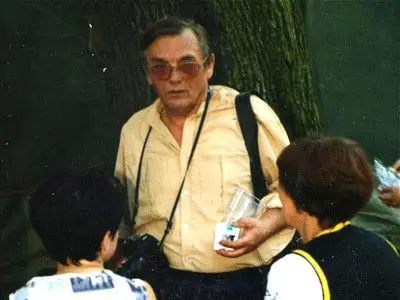

At the request of the embassies of the former Yugoslavia, the festival’s name was changed from Balkan to South Slavic. The experiences of the post-war period were so powerful that the word “Balkans” carried negative associations for the people living there. The festival’s main idea is to promote living tradition and have a good time. Its success lies in the fact that the groups performing at the festival include young people, while its format continues to expand and attract many enthusiasts of home-style Bosnian cuisine.
“The festival will continue,” says Elżbieta Tor, “as long as there is someone who wants to cook, offer food and drink coffee together. And as long as there is someone willing to come. We invite our neighbours from Bolesławiec and the surrounding area. We will sing for you so that the river carries the song.”
(information by Grażyna Hanaf)