
The conclusions from this conference are very important. People with disabilities need not only facilities adapted for them, but also information about what this adaptation involves. If it is a footbridge or ramps, how wide are they? Can blind people also cross there safely? It turns out that there are many types of wheelchairs themselves, with different wheel spacings, and where a stroller-type wheelchair usually pushed by someone can enter, a person using an active wheelchair cannot.
– Precise information is needed about what is adapted and how – says Adam Dudzin from the State Forests. – I myself once entered a facility in a wheelchair where wheelchair access was provided, but I could not fit through the toilet door. If information about what is actually adapted and how had been posted on the facility’s website, it would have avoided the stress.
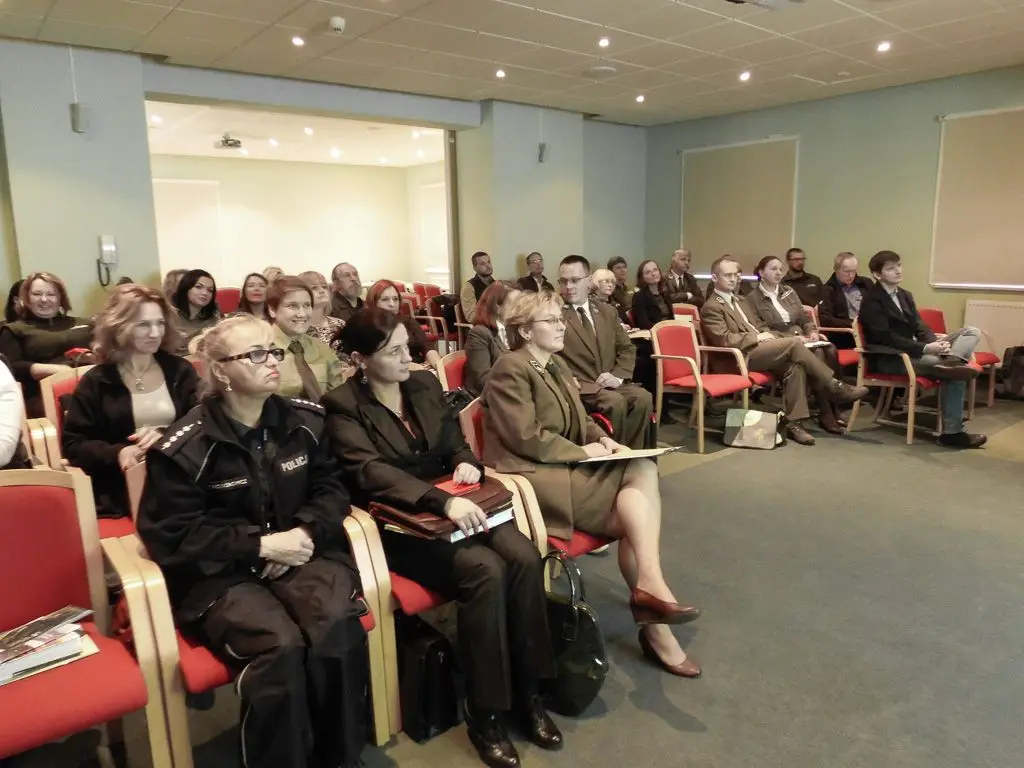
Director of Karkonosze National Park Andrzej Raj points out that Szklarki Waterfall has been accessible to people with mobility disabilities in the park since the 1990s, and a special trail for people with disabilities was laid out from Kopa to Równia pod Śnieżką.
– It seems that all mountain trails will never be accessible to people with disabilities – says Andrzej Raj. – After all, not even all people who consider themselves able-bodied can manage them. Everyone has their own Everest, their own maximum capabilities.
The director nevertheless stresses that Karkonosze National Park wants to make additional places accessible and adapt them for people with disabilities. This includes, for example, Kamieńczyk Waterfall, where the construction of a special platform and access for wheelchair users are planned in the coming years. This will presumably please not only people with disabilities, but also parents walking with children in strollers.
Karkonosze National Park/ii