
After World War II, new residents of Bolesławiec County occupied former German homes and farms during a time of chaos, robberies and rapes. Each person brought a different culture, beliefs and customs, and they were also treated differently by the new authorities of the Polish People’s Republic.
Poles from the former Yugoslavia were supposed to undergo repolonization among Poles from the eastern borderlands and central Poland. Their arrival in the northwestern territories was their own decision, although it was made in response to the situation of the Polish minority in Bosnia and the threat of extermination in the conflict between Croats and Serbs.

Ukrainians and Lemkos resettled during Operation “Vistula” (a military operation carried out in 1947 by the Polish communist authorities, involving the resettlement of Ukrainians and national groups identified with them—Boykos, Lemkos and mixed Polish-Ukrainian families—from southeastern Poland) were intended to be denationalized, deprived of their roots, culture and language. They were often perceived by the Polish authorities as a threat. By dispersing them, the authorities wanted to make them renounce their ethnic identity.
Poles in the eastern borderlands (Volhynia) fled ethnic cleansing, but in the new people’s Poland they had to blend into the Polish community.
In turn, left-leaning patriots from France came to Poland as if it were the promised land, although few of them decided to leave. In Poland, they were seen as affluent people and were very often robbed of the modest possessions they brought with them.
Poles from the central regions of the country came west, lured by legends of wealth: empty homes to settle in and land to cultivate.
All these groups that found themselves in Bolesławiec County had to coexist. They had to learn an extremely difficult coexistence. Perhaps coercion helped, because apart from Poles from central Poland, none of these groups could change their minds and return to where they had come from.
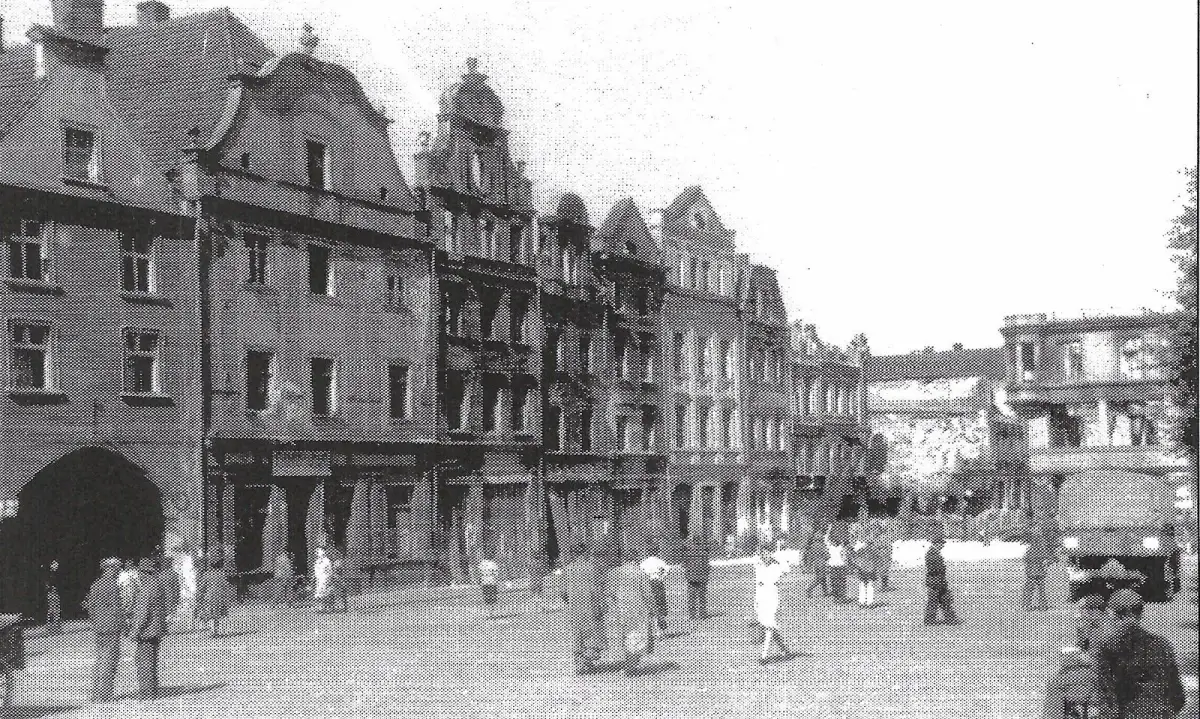
The German population must also be added to this ethnic mixture. In 1947, there were approximately 59,000 Germans in Lower Silesia. The resettlement process was not completed until 1949. In 1945, 6,000 Germans were registered in Bolesławiec County. They had to leave their ancestral homes, which were occupied by Poles. The Poles, in turn, had come to these areas because of the war unleashed by German politicians.
The information comes from Adam Baniecki’s work: Bolesławiec County in 1945–1950.