
In this way, the first school in Lower Silesia joined a unique group in Poland of public-use buildings producing electricity from renewable energy sources (RES) for their own needs. The school community marked the opening of the micro-power plant with a performance featuring an environmental theme. An exhibition of artwork about renewable energy sources was also opened.
Greenpeace has long cooperated with the Lubin commune authorities; however, until now, their joint initiatives have mainly concerned efforts to stop plans to build an open-pit lignite mine in the area. Their implementation would irreversibly destroy the commune’s territory and block investments that could become an opportunity for the region’s development. Commune Head Irena Rogowska has long been working to persuade the government to enable regions to produce energy in a way that is friendly to people and the environment. She also points out that solutions are needed to make it easier for citizens to invest in household micro-power plants, similar to the one installed on the school roof.
– We have long been calling on the government to develop citizen energy. It is high time the authorities understood that we can increase Poland’s energy security by developing renewable energy at the level of communes and households. All we need is for the right conditions to be created – said Irena Rogowska.
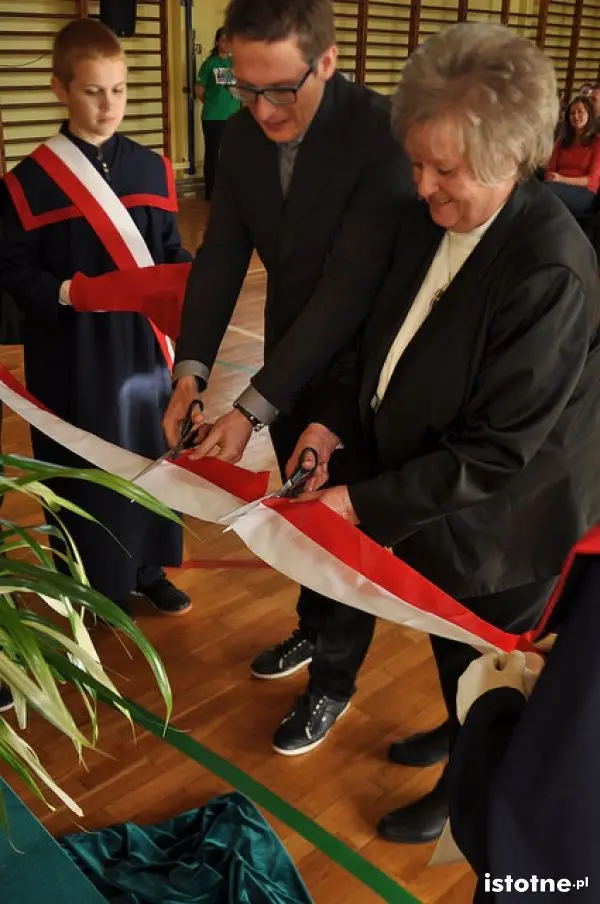
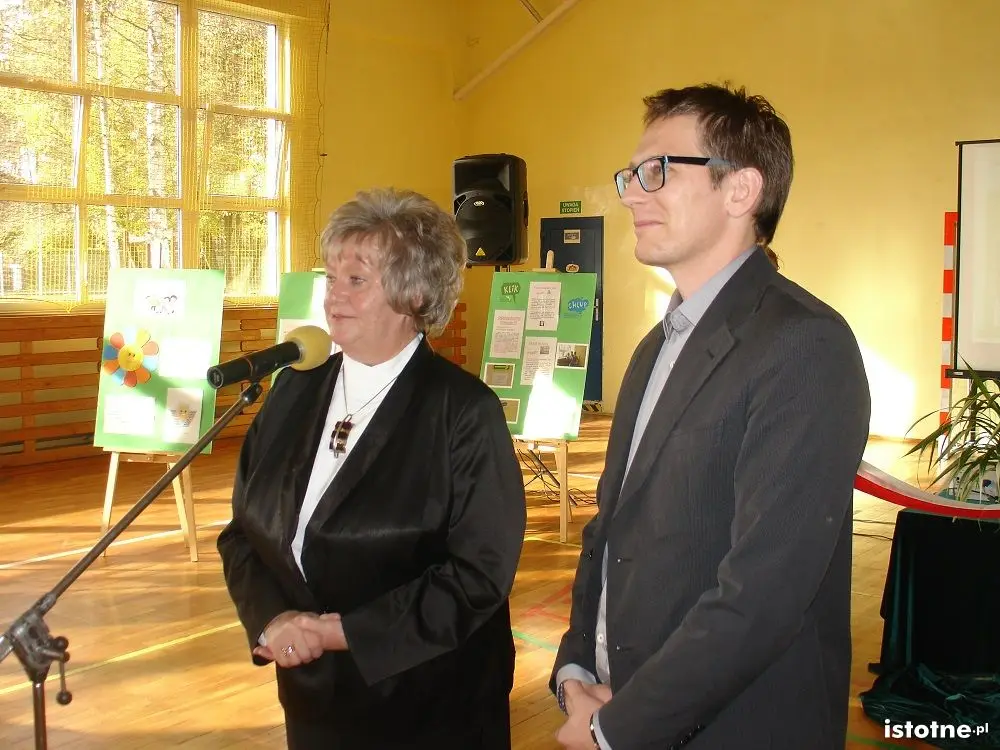
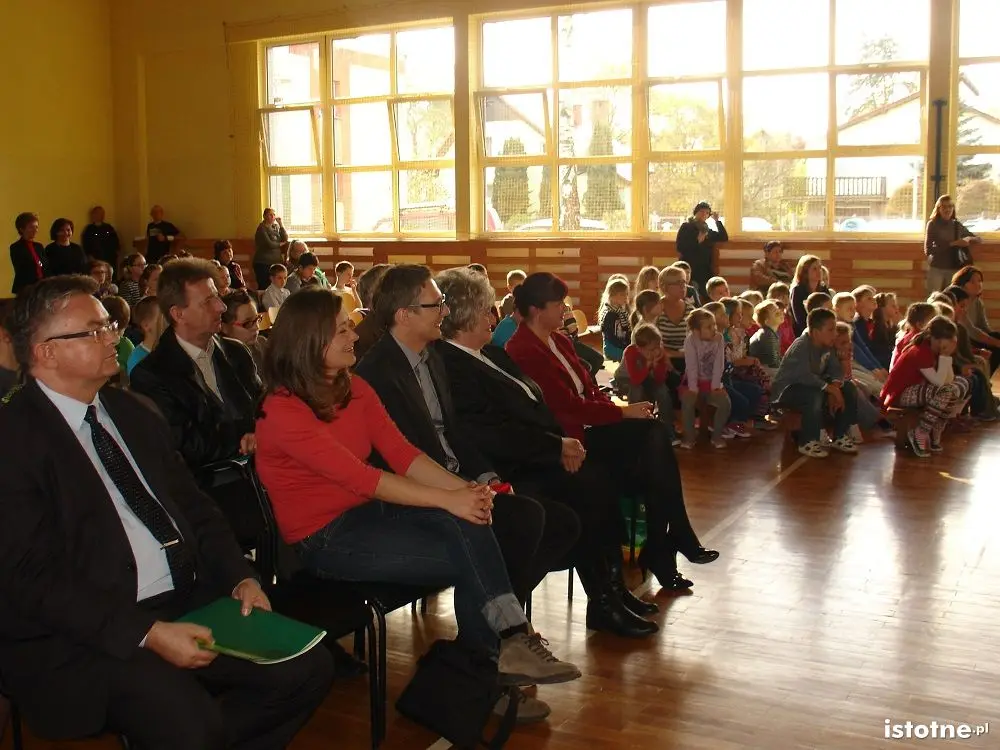


Installations mounted by Greenpeace have become part of the growing, though still poorly government-supported, distributed energy sector based on renewable energy sources.
– Fruitful cooperation with local authorities is further proof of how many people and institutions are interested in producing energy in household micro-power plants. A November 2013 CBOS survey shows that as many as 89% of Polish women and men would like to see more investments of this kind. Unfortunately, there are still no favorable regulations that would make it worthwhile for the average citizen to install such a system. The government has indeed prepared a draft RES act, but it has been designed to support energy companies rather than citizens. That is why we believe it should be rejected by Parliament – said Robert Cyglicki, director of Greenpeace Poland, during the inauguration ceremony of the school micro-power plant in Raszówka.
Lubin Rural Commune/ii