
After 1945, Kruszyn was settled by Poles from various parts of Poland. Re-emigrants arrived in the village from Yugoslavia, the former Eastern Borderlands, central Poland and France. The new residents began creating the Polish history of the village.
At the beginning of their stay, they had to adapt to their new surroundings, take over farms and rebuild the infrastructure left behind by the Germans. As a result of wartime operations, the settlement suffered extensive losses to its buildings and household furnishings. They can be estimated at approximately 20% compared with 1939.
During the 1950s and 1960s, numerous organizations bringing residents together operated in the village, including the Rural Housewives’ Circle, Służba Polsce and the Sports Club. In a world without modern media, they played a very important role, providing a sense of security and entertainment for residents who, as a result of the post-war changes, had to build social life in the village from scratch.
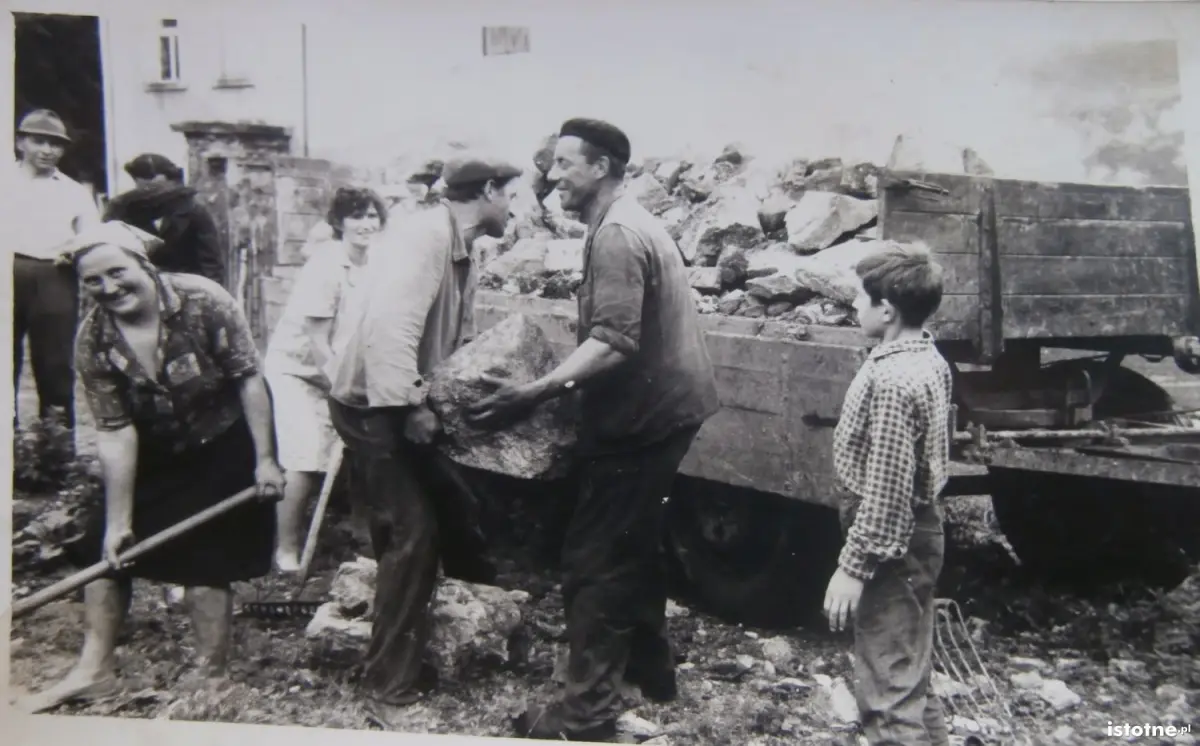
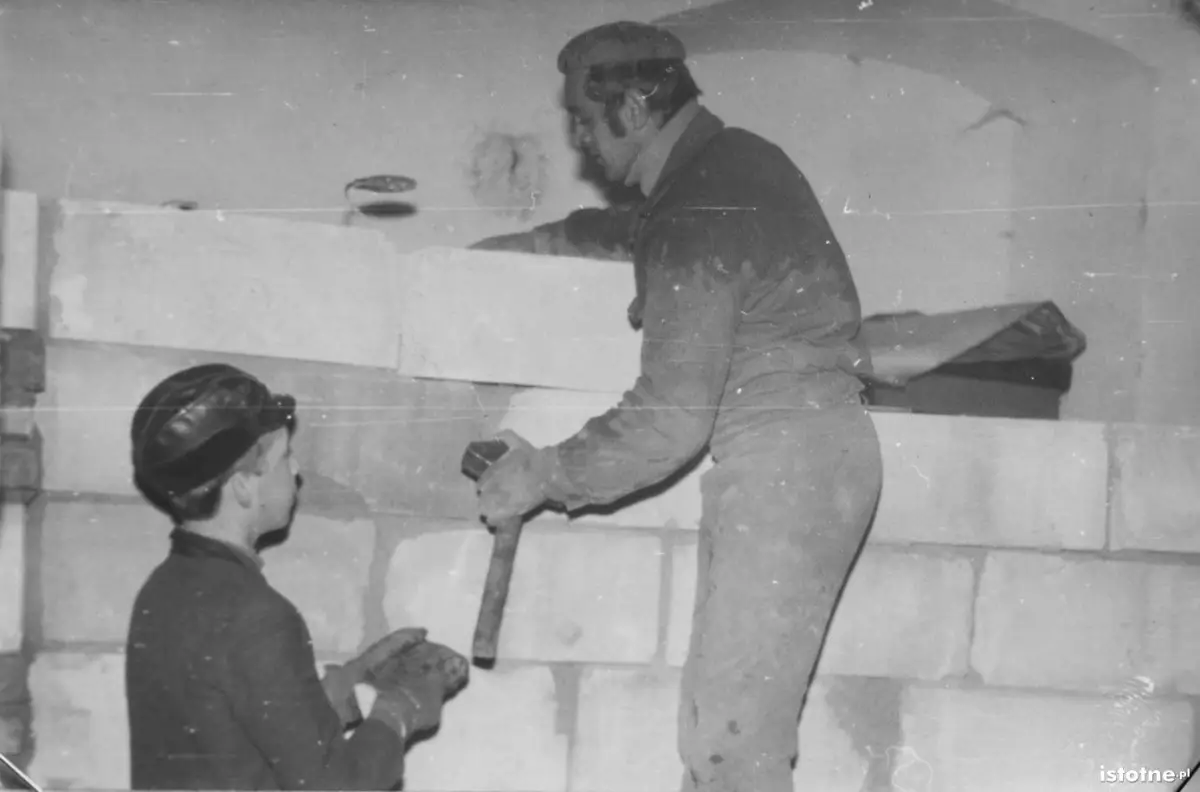
Memories of that period include community projects, the reconstruction of the pre-war exercise hall for use as a community center, which still serves residents today, and the bus shelter on today’s Główna Street. In 1957, a fruit and vegetable processing plant was opened on Lipowa Street. During its first period of operation, it employed 30 people. Unfortunately, the “factory” was closed down at the beginning of the 1990s, and today the building is falling into ruin.
Interestingly, during the summer, kindergartens were set up for farmers’ children so that everyone could work during the harvest. Afterward, a harvest festival was organized and people celebrated together.
One of the greatest problems for residents was the lack of a church, as the pre-war building had been destroyed and was demolished in the 1960s. Thanks to the efforts of residents and priests, the first new building was constructed at the end of the 1970s, making it much easier to attend Sunday Mass.
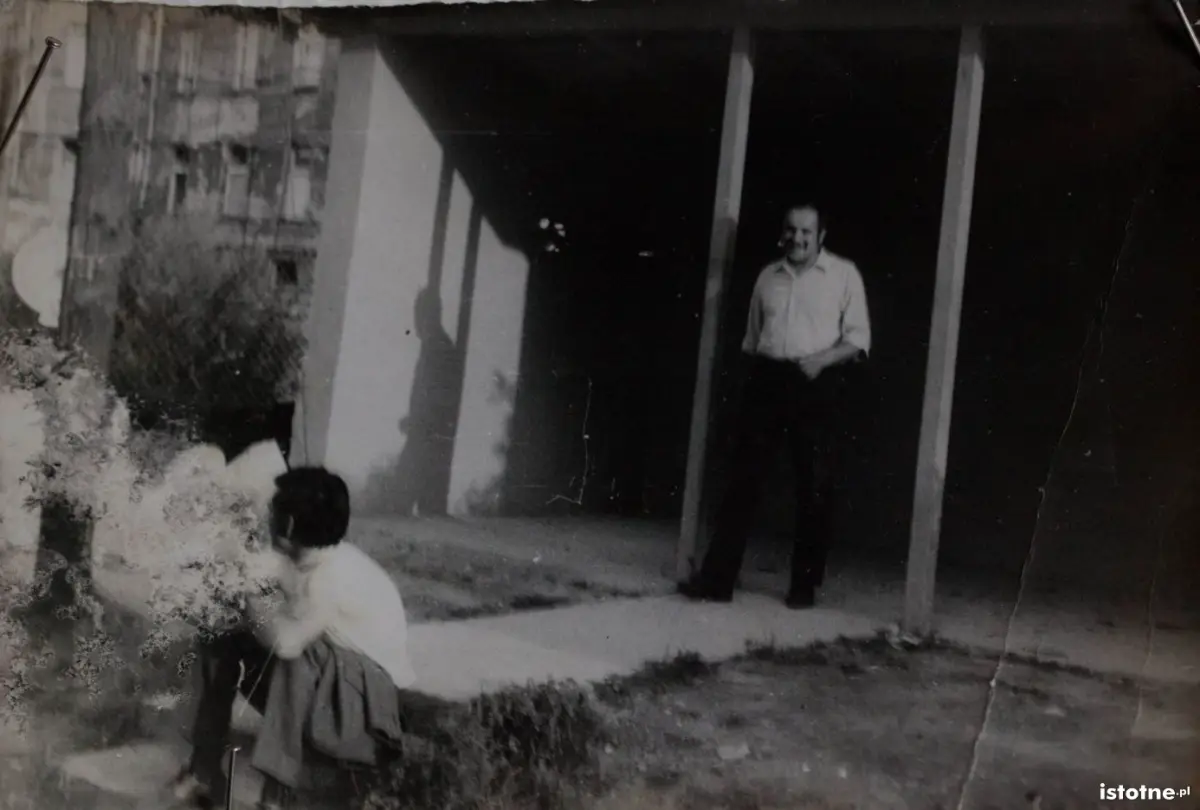
Interesting photographs from that period have survived, presenting the most notable moments from Kruszyn’s post-war history.


Sebastian Zielonka – historian and graduate of the University of Wrocław. Specialization: archival studies and conservation documentation. He is interested in the history of the region and the social life of Europeans in the 20th century. In his free time, he travels.