
At the beginning of the 20th century, Bolesławiec was connected to smaller towns in the county by a railway line. It supplemented the state railway, which had been built in our town in the mid-19th century. In 1906, a connection was established from Bolesławiec Wschód station to Nowa Wieś Grodziska.
The railway line, together with all its infrastructure, belonged to the Bolesławiec–Nowa Wieś Grodziska Joint-Stock Company. The project was carried out by the Berlin-based company Lenz & Co., which had experience in building and operating railway lines in Silesia.
On 10 April 1906, the single-track line, approximately 25 km long, was opened for use. Stations were located in Bolesławiec, Warta Złotnicka, Iwiny and Raciborowice Górne. There were also six stops along the route: in Godnów, Kruszynek, Warta Bolesławiecka, Raciborowice Dolne, Grodziec Zamczysko and Rożnowiec.
A branch was also built from Warta Złotnicka to Warta Złotnicka Zachodnia, with two stops; it was opened on 1 October 1907. During the construction of the copper mine, sidings were built to the Konrad and Lubichów mines.
The infrastructure along this route survived the Second World War in fairly good condition. In 1945, it was taken over by PKP, and a stop was established in Czaple Kamienne. In 1969, a new stop was created: Bolesławiec Piastów.
Regular passenger services operated here until 1976, while the line for freight trains was closed on 28 November 2000. For several decades, the railway route helped residents reach their workplaces, made it easier for tourists to explore the region, and enabled local mines to transport the natural resources they extracted.
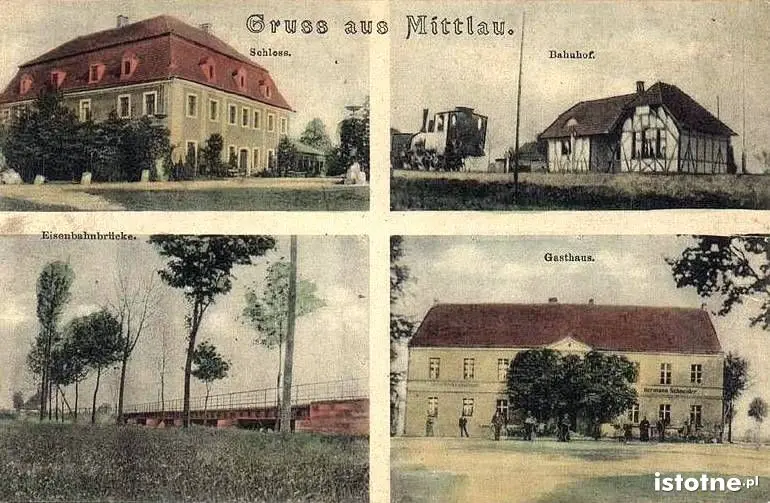
Today, we can admire the route's former glory in old postcards that have survived to our times. The same cannot be said of the railway infrastructure along the Bolesławiec–Nowa Wieś Grodziska route.




Sebastian Zielonka – historian and graduate of the University of Wrocław. Specializes in archival studies and conservation documentation. Interested in the history of the region and the social life of Europeans in the 20th century. Travels in his free time.