
Lubin is a beautiful city with a rich and fascinating history. Before World War II, it was known by the German name Lüben. It is located in the centre of the Legnica-Głogów Copper District. In June 2013, the city had 74,328 inhabitants. During World War II, the city suffered extensive damage, and in 1957 deposits of copper ore were discovered here, influencing the city’s development.
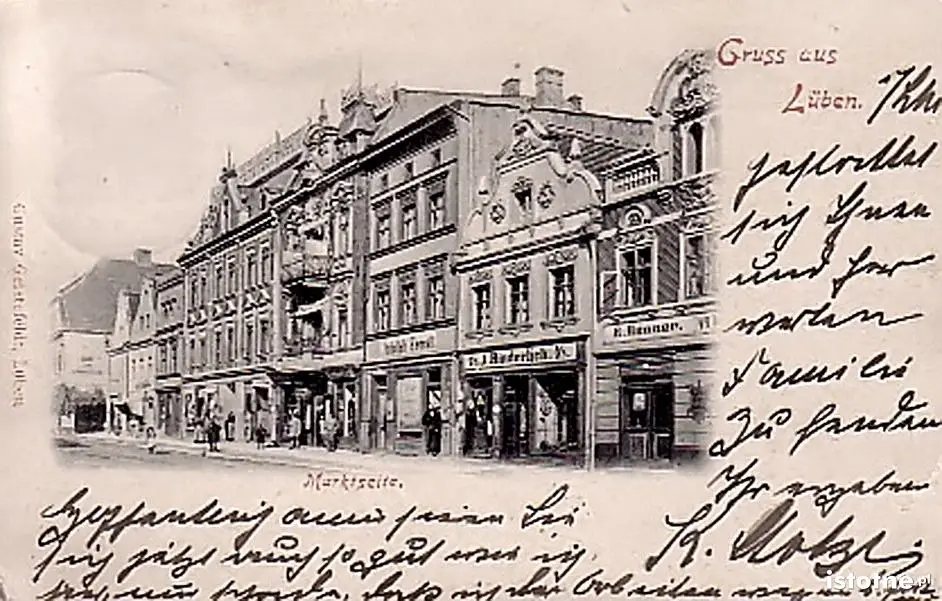
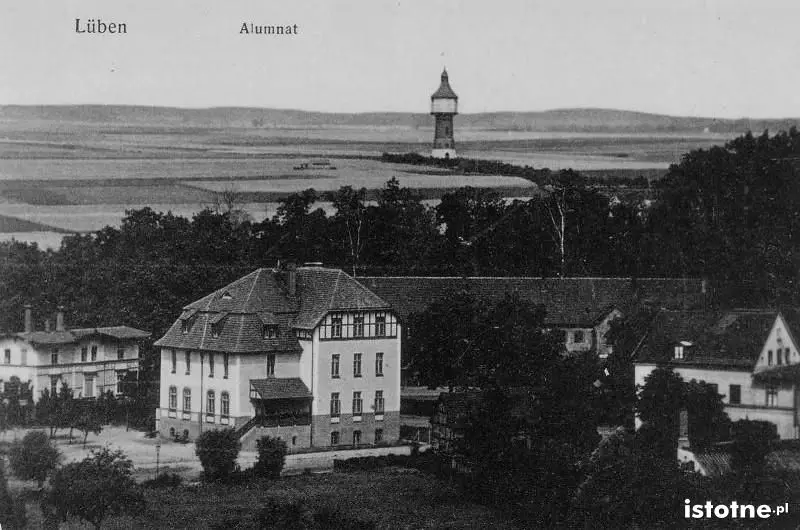
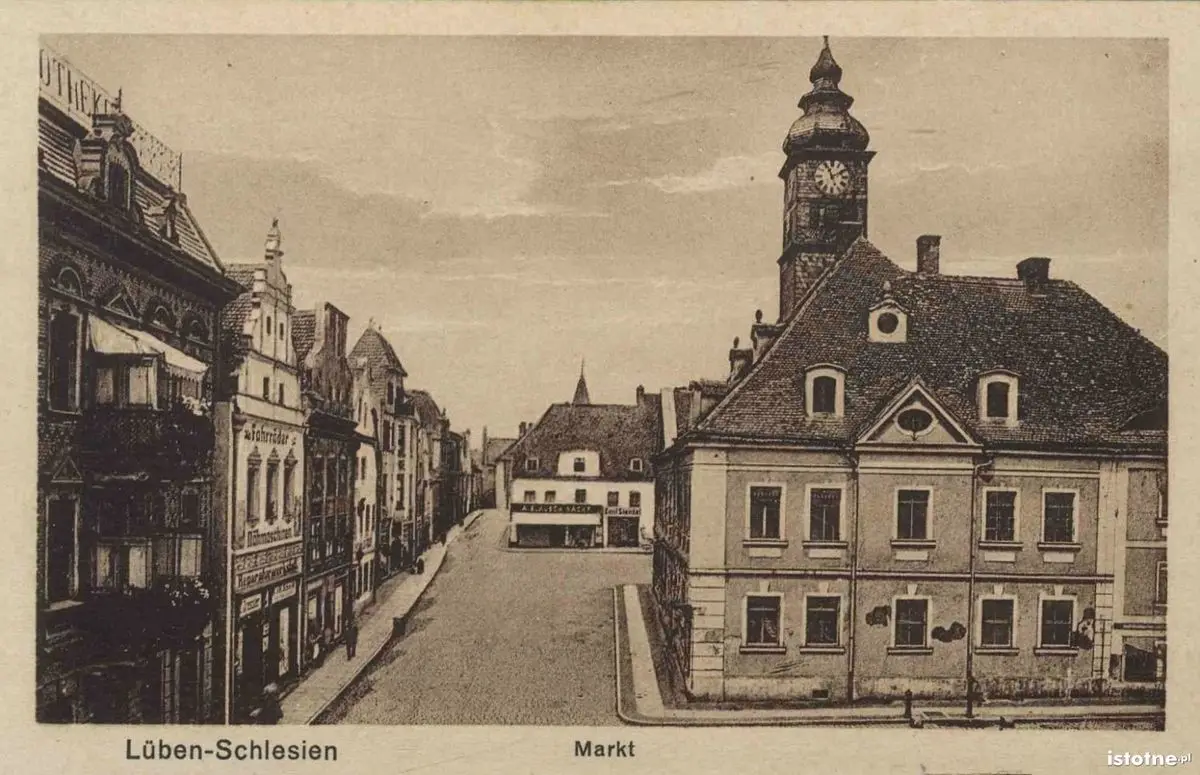
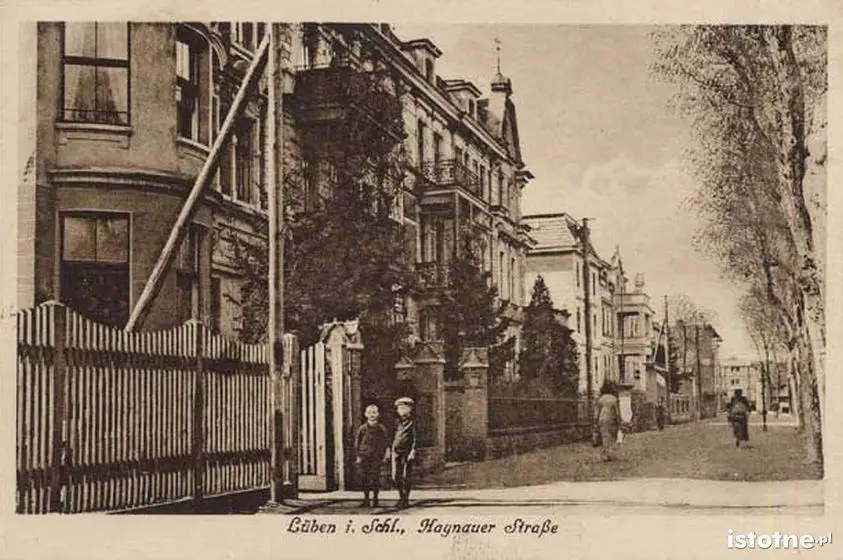
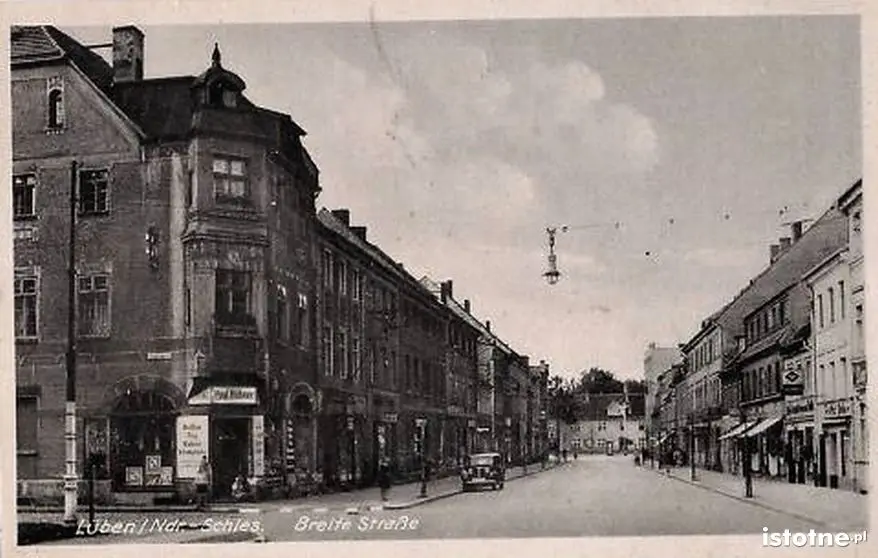
It is worth learning about its history and exploring the architecture of bygone years. The preserved photographs and postcards show us what our city looked like at the end of the 19th century and in the first half of the 20th century.


Sebastian Zielonka – historian and graduate of the University of Wrocław. Specialises in archival studies and conservation documentation. He is interested in the history of the region and the social life of Europeans in the 20th century. In his free time, he travels.