
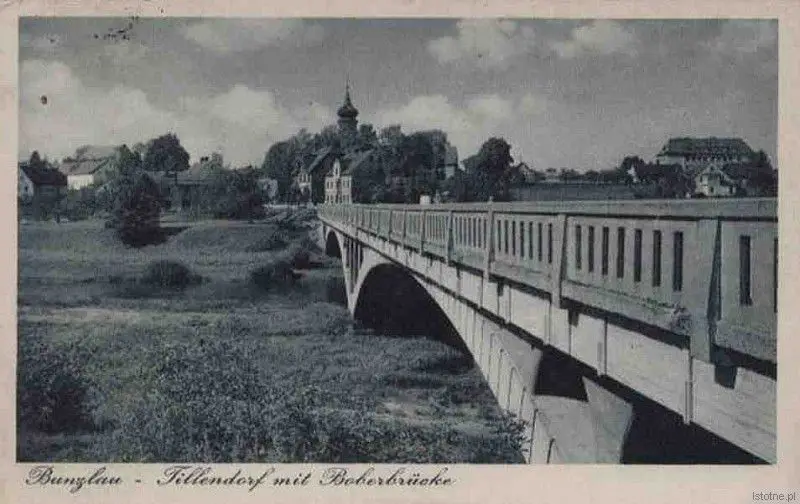
Until 1945, this was an area inhabited by Germans, who called it Tiellendorf. In the first years after World War II, the settlement operated under the names Tułowice and Tylinów; over time, it was renamed with the name it currently bears.
Bolesławice is one of the oldest settlements in our region and played a role in the development of the town of Bolesławiec. This is confirmed by a hoard discovered in 1907, consisting of coins from the time of Otto III, produced more than 1,000 years ago at the mint in Cologne. The find testifies to the development of the village and its trade connections. The hoard was handed over to the museum in Bolesławiec, but disappeared in the spring of 1945 amid the turmoil of war.
Bolesławice is home to the parish church dedicated to Our Lady of the Rosary. It is one of the oldest churches in the vicinity of Bolesławiec. The church is first mentioned in a document from 1270, when Duke Konrad I granted it to the Hospital of the Holy Spirit.
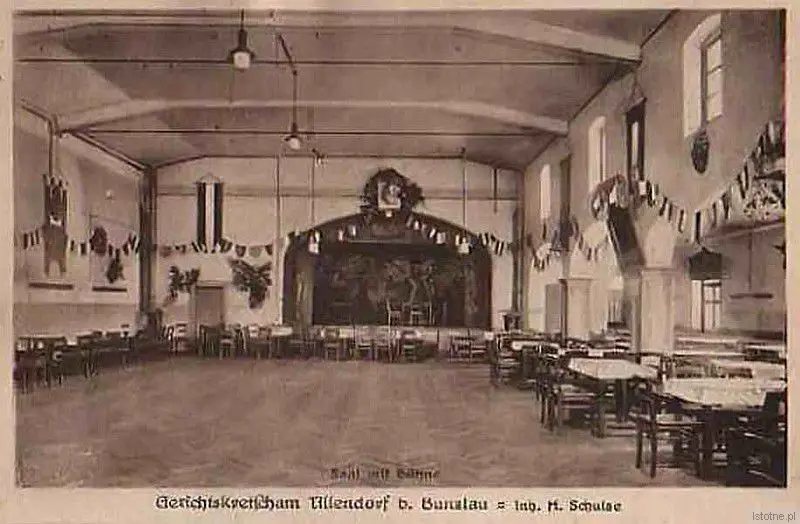
The village enchants with the beauty of its buildings, which we can admire on old postcards.



Sebastian Zielonka – historian and graduate of the University of Wrocław. Specialization: archival studies and conservation documentation. He is interested in the history of the region and the social life of Europeans in the 20th century. In his free time, he travels.
(information: Sebastian Zielonka)