
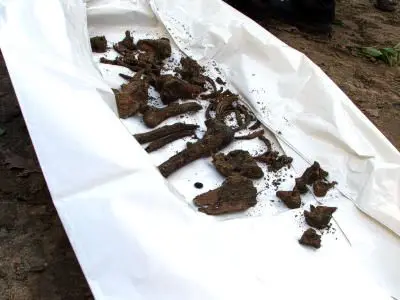
The idea of establishing a Memorial Chamber in the casemates of the Bolesławiec cultural centre arose when employees of the Institute of National Remembrance in Wrocław discovered human remains near the MDK.
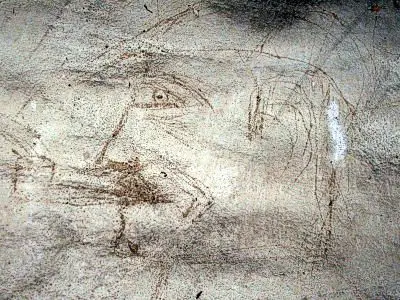
In order to save from oblivion the site of the persecution and martyrdom of the residents of our county, county head Cezary Przybylski decided, after speaking with Krzysztof Szwagrzyk of the IPN, to establish a Memorial Chamber in the basement of the cultural centre. The casemates of the present-day MDK conceal many secrets. During World War II, the Gestapo headquarters were located there, and after the war—until around 1950—the County Office of Public Security. Exceptionally well-preserved inscriptions on the walls, dates, drawings, first names and surnames appear to confirm that political prisoners and members of the anti-communist resistance movement were held in the basements.
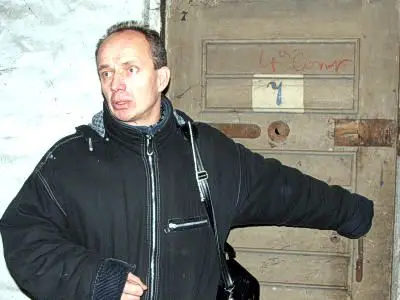
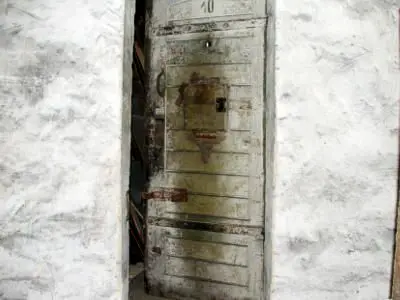
No renovations have been carried out in the basement of the present-day cultural centre that could erase traces of the past. Metal doors bearing cell numbers, bars on the windows and a bathhouse for prisoners are still there. As Krzysztof Szwagrzyk wrote: “both the state of preservation of the prison basement and the scale of the discovery allow us to state that the building at 5 Grunwaldzka Street is unique in this respect throughout Lower Silesia and the Opole region.”

Cezary Przybylski wants to interest veterans’ and scouting organisations in the concept of creating the Memorial Chamber. The county head also hopes that historians will participate in the project.
In an application to Andrzej Przewoźnik, secretary of the Council for the Protection of the Memory of Combat and Martyrdom, MDK director Ewa Lijewska requested financial support amounting to PLN 80,000. The funds are intended, among other things, for:
- renovating the staircase leading to the Memorial Chamber
- drying and cleaning the sandstone
- installing a supply-and-exhaust ventilation system
- preparing the exhibition and purchasing suitable equipment
- protecting traces, especially the inscriptions on the walls, with glass panels
- lighting the cells and corridor
- creating a commemorative plaque.
The application was extensively documented, including with an opinion from the Wrocław IPN, numerous photographs and articles published in the press.

(information: County Office)