
At the seminar held on May 30, representatives of approximately 30 companies took part, including those from Wałbrzych, Osiecznica, Żary, Bolesławiec and the surrounding area. The conference guests were Professor Władysław Kubiak, Vice-Dean of the Faculty of Materials Engineering and Ceramics at AGH University of Science and Technology in Kraków, and Professor Andrzej Łoś, Marshal of the Lower Silesian Voivodeship. The initiator of the meeting, as well as the person thanks to whom the AGH Off-Campus Teaching Centre was established in Bolesławiec, was District Council Chairman Karol Stasik.
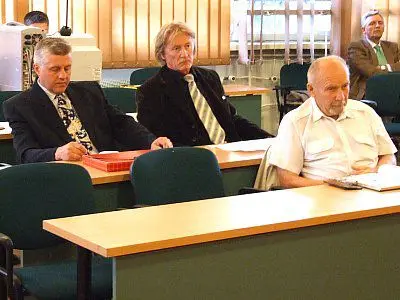
Professor Kubiak spoke about AGH creating a system of continuous staff training tailored to the needs of the glass and ceramics industry and the building materials sector. He recalled that the AGH Faculty of Materials Engineering and Ceramics is the only ceramics faculty in Poland. He said that the university focuses on professional development and that the standard of teaching at the Bolesławiec Off-Campus Teaching Centre does not differ from that provided by the Kraków Academy. Graduates of the centre are fully qualified specialists.

Marshal Andrzej Łoś spoke about opportunities for obtaining funding under the Regional Operational Programme for the Lower Silesian Voivodeship for 2007–2013. The programme's priorities include entrepreneurship and innovation, and the promotion of Lower Silesia. "The main beneficiaries will be enterprises, higher-education institutions, research units, business-support institutions, loan and guarantee funds, local-government units and non-governmental organisations," the marshal said.
The programme will also aim to increase the competitiveness of Lower Silesia and make better use of the region's tourist assets. Under the Regional Operational Programme, projects contributing to the increased attractiveness of Lower Silesia will be supported, including events such as the Ceramics Festival. The skilful use of cultural heritage will also be important.
The marshal admitted that the most important problem facing Lower Silesia is the civilisational decline of its cities. Alongside cities developing relatively well, such as Wrocław and Bolesławiec, there are cities which, as Andrzej Łoś put it, are experiencing "if not civilisational regression, then certainly stagnation." The programme will support the revitalisation of these cities.
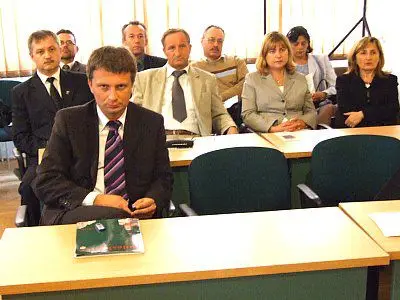
Under the Regional Operational Programme, Lower Silesia can count on European Union funding in the following areas:
- entrepreneurship and innovation – almost EUR 310 million
- the information society – EUR 97 million
- tourism – EUR 67 million
- culture – EUR 44.5 million
- education – EUR 101 million
- urban revitalisation – EUR 109 million.
The funds will be distributed starting next year.
(GA/KG report)